
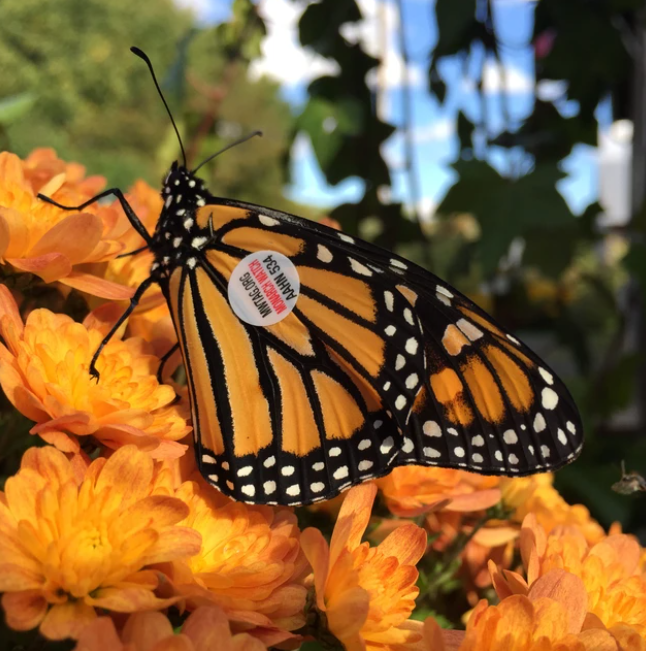
The Four Generations of the Monarch Butterfly

Most butterflies live and die within a single season, but the monarch does something extraordinary: it completes an entire migratory loop across four generations. No single monarch makes the full round trip from Mexico and back — instead, the journey is passed down like a relay baton, generation after generation, until the cycle starts again.
Generation 1: The Spring Starters
Winter is spent by monarchs clustered in the oyamel fir forests of Mexico or along the California coast. As temperatures rise in early spring, these overwintering adults begin flying north, mating along the way. The females lay their eggs on milkweed plants across the southern United States, and shortly after, this founding generation dies off. Their offspring — Generation 1 — hatch ready to continue the push northward.
Key points:
- Hatch from eggs laid by overwintering monarchs
- Emerge in the southern U.S. around March–April
- Live only 2–6 weeks
- Lay the next batch of eggs before dying
Generation 2: The Relay Continues
By late spring, Generation 1 has done its job and a new wave takes over. Generation 2 emerges further north, continuing the same short, fast lifecycle as their parents. Their entire purpose is to keep pushing the population toward the northern U.S. and Canada, where milkweed is abundant during summer.
Key points:
- Born May–June in the southern/central U.S.
- Continue migrating deeper into the continent
- Also live just 2–6 weeks
- Reproduce and pass the baton onward

Generation 3: Almost There
By midsummer, Generation 3 emerges in the northern reaches of the monarch's range — often the northern U.S. or southern Canada. Like the two generations before them, they live fast and die young, but their real significance is setting the stage for what comes next: the generation that will make history.
Key points:
- Emerge July–August in the northern range
- Short-lived, just 2–6 weeks
- Final "builder" generation before the big migration
Generation 4: The Super Generation
This is where the monarch story gets remarkable. Born in late summer or early fall, Generation 4 monarchs are biologically different from their parents and grandparents. Instead of mating right away, they redirect their energy into survival. This "super generation" can live eight to nine months — more than ten times longer than the generations before it — and it undertakes an extraordinary journey south, flying up to 3,000 miles to the same overwintering sites in Mexico or California that their great-great-grandparents left the previous spring. They survive the winter there, and finally, as temperatures rise again, they mate and lay eggs — becoming the start of the next Generation 1.
Key points:
- Born in late summer/early fall
- Delays reproduction to focus on survival
- Lives 8–9 months, far longer than earlier generations
- Migrates up to 3,000 miles south
- Overwinters, then reproduces in spring to restart the cycle

Why It Matters
What makes the monarch migration so astonishing is that it's not driven by memory or experience — no individual butterfly has made the trip before. Instead, it's an inherited instinct passed down through generations, each one playing a different role: three generations sprint north in short bursts, while one generation flies the marathon south and keeps the entire migration alive.
Bottom line: The monarch's year-long journey isn't the work of one butterfly, but a four-generation relay — proof that some of nature's greatest feats are team efforts across time.



Leave a comment
This site is protected by hCaptcha and the hCaptcha Privacy Policy and Terms of Service apply.